


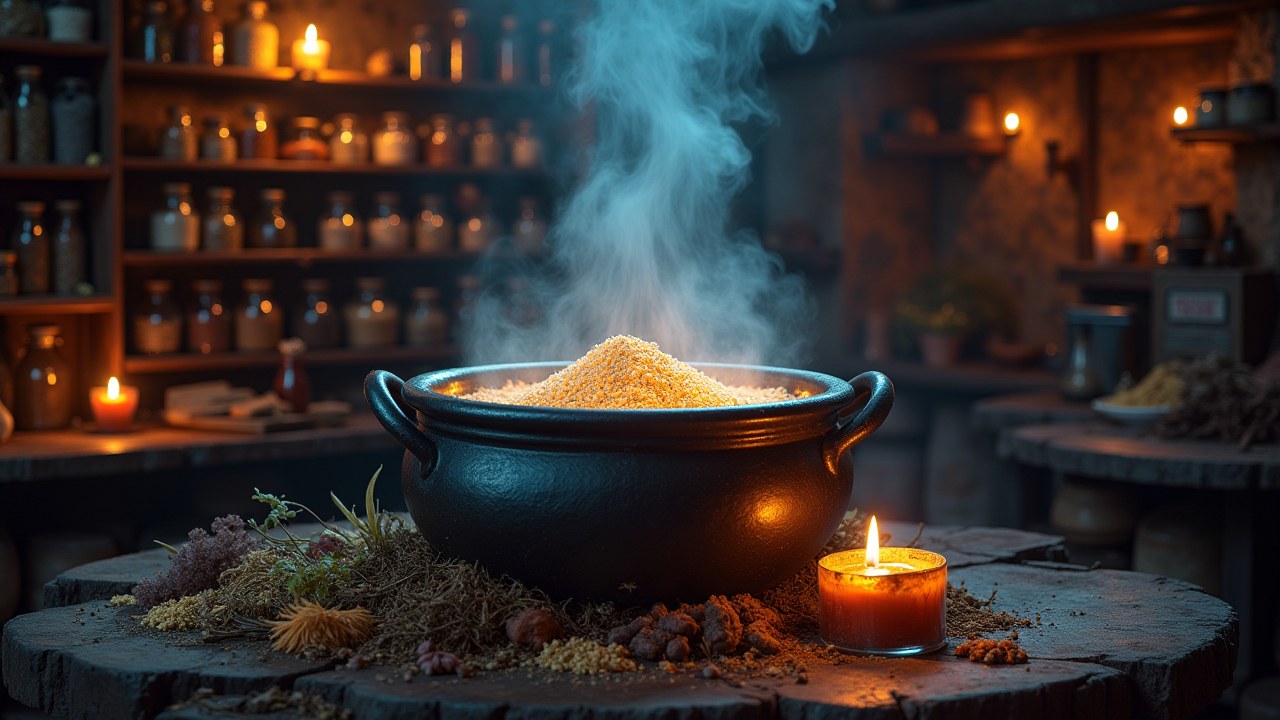
From the bubbling cauldrons of fairy tales to the carefully measured vials of modern apothecaries, potion-making has long captured the imagination. Though often associated with fantasy, the practice of creating potions and elixirs has deep historical roots in both science and folklore. These magical concoctions, once thought to cure ailments or grant supernatural powers, were the foundation of early chemistry and medicine.
The Origins of Potion-Making
Long before the term 'alchemy' became synonymous with mystical transformation, ancient civilizations were experimenting with herbs, minerals, and plants to create remedies. In Egypt, priests and healers crafted potions using honey, myrrh, and frankincense, believing these substances could purify the body and soul. Similarly, in medieval Europe, apothecaries were revered as both scientists and mystics, blending herbal knowledge with spiritual beliefs to produce potions for healing and protection.
Many of these early potions were inspired by the natural world. For example, celandine was used in folk medicine to treat warts, while valerian root was believed to help with sleep and anxiety. These ingredients, though not magical in themselves, were imbued with symbolic meaning, often tied to the phases of the moon or the alignment of the stars.
The Fantastical Side of Potion-Making
While real-world potions were grounded in practicality, the realm of fantasy has taken these ideas and run with them. In stories and films, potions can grant invisibility, change the colour of hair, or even bring the dead back to life. These tales, though fictional, reflect a deep human fascination with transformation and the unknown. At the Gobble Inn, for instance, patrons can enjoy whimsical, non-alcoholic brews that mimic the look and feel of magical potions, complete with glowing ingredients and carefully measured 'spells' of flavour.
Modern potion enthusiasts, whether crafting for fun or for historical reenactment, often draw inspiration from these fantastical depictions. Many recreate ancient recipes using natural ingredients, such as dried lavender, crushed berries, and powdered chalk, to create visually stunning and aromatic brews that are as much art as they are science.
Exploring the Legacy of Potion-Making
The legacy of potion-making lives on in both academic and creative circles. Museums such as the British Museum and Wellcome Collection have exhibits that explore the history of medicine and alchemy, showing how early potions were once the cutting edge of scientific exploration. These exhibits often feature rare manuscripts, ancient tools, and detailed illustrations of early apothecaries at work.
For those interested in learning more, there are also books and online resources that delve into the world of potion-making, from the practical to the purely fantastical.
- "The Secret History of Alchemy" by Lawrence M. Principe – An in-depth look at the science and symbolism behind alchemical practices.
- "The Book of Herbalism" by John M. Schechter – A guide to the plants and herbs used in traditional medicine and potion-making.
- Wellcome Collection – Offers a wealth of information on the history of medicine and alchemy through its online archives and exhibitions.