





For centuries, potions have captured the imaginations of people across the globe, blending science, superstition, and a touch of whimsy. Whether crafted in the dimly lit corners of medieval apothecaries or brewed with care in the warm, candlelit halls of the Gobble Inn, potions have long been more than just curious curiosities — they are a window into the beliefs, hopes, and fears of the ages.
The Ancient Roots of Potion-Making
The practice of potion-making dates back to the earliest civilizations. In ancient Egypt, for example, priests and healers concocted mixtures of herbs, resins, and oils to purify the body and spirit. The Ebers Papyrus, a medical text from around 1550 BCE, details over 700 remedies, including potions for everything from heart ailments to toothaches. These early potions were often steeped in incense, infused with sacred symbols, and believed to channel divine energy.
In medieval Europe, apothecaries played a crucial role in both medicine and mysticism. The British Library’s folklore collection contains records of potions believed to ward off illness, bring luck, or even reveal hidden truths. Some, like the famous ‘Wish-Water’ — a mixture of rosemary, lavender, and honey — were thought to amplify the power of spoken wishes.
The Gobble Inn’s Curious Brews
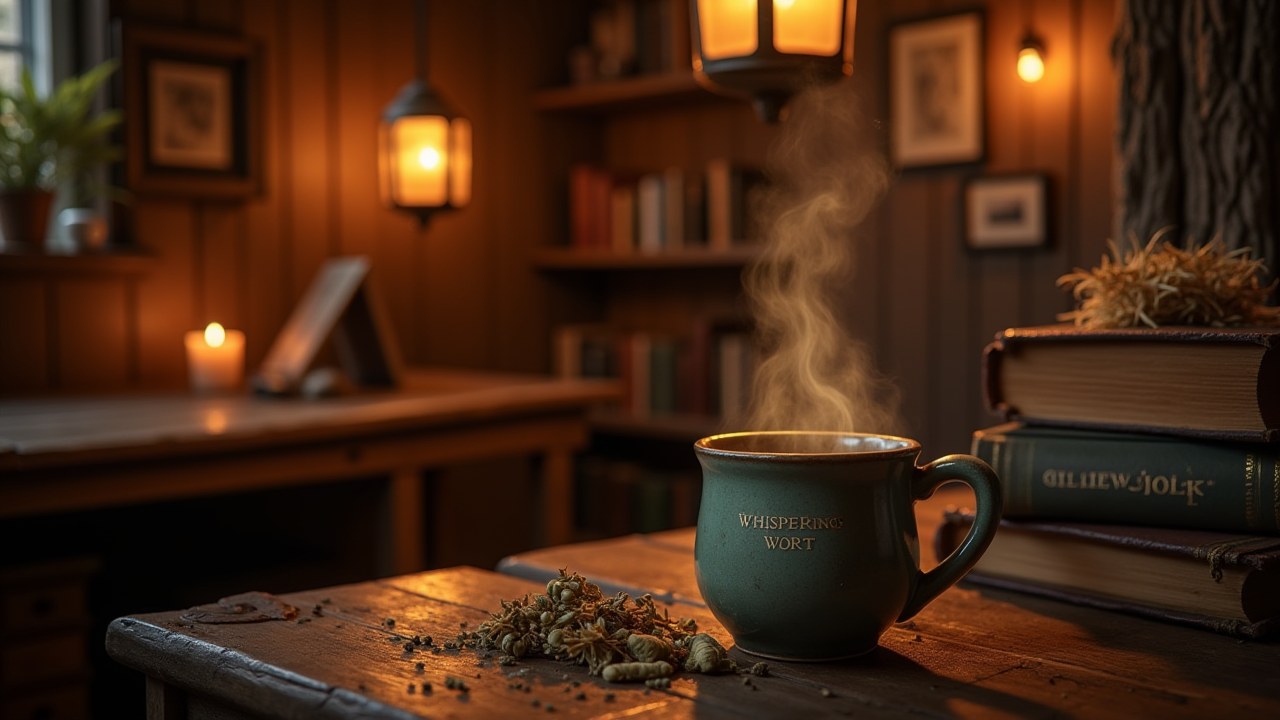
At the Gobble Inn, the art of potion-making is a cherished tradition. Here, the most popular non-alcoholic brews are not just for show — they are believed to have real, if subtle, effects. The ‘Dreamleaf Elixir’, for instance, is a calming infusion of chamomile, valerian root, and a dash of star anise, said to help restless sleepers drift into peaceful slumber. Another favourite, the ‘Whispering Wort’, is a stimulating blend of ginger, ginseng, and elderflower, known to sharpen the mind and spark inspiration.
While these brews may not hold the power of ancient relics or mystical spells, they are a tribute to the enduring human fascination with transformation and wonder. Whether sipped in a quiet corner of the Gobble Inn or brewed in a modern kitchen, potions remain a celebration of curiosity, creativity, and the magic of the everyday.