




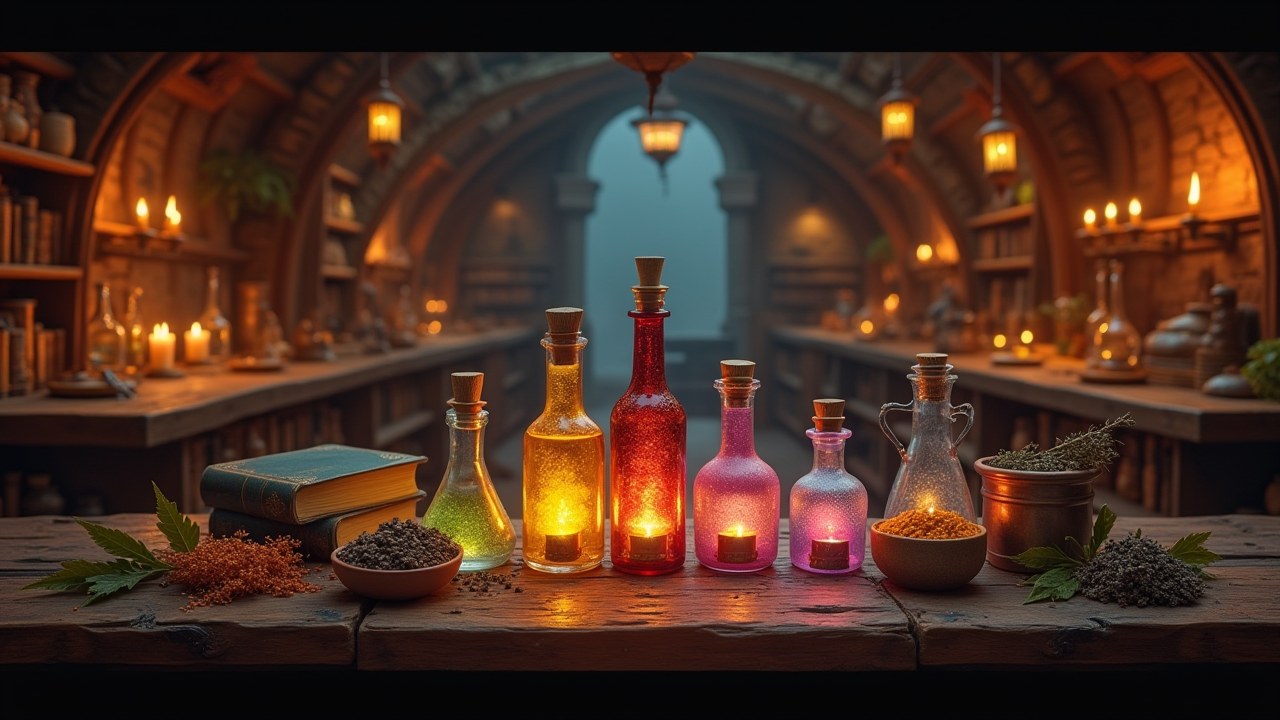
Long before the rise of modern chemistry, curious minds across the world were experimenting with the magical properties of plants, minerals, and even the stars. Potion-making, once the domain of mystics and alchemists, has left an enduring legacy in both folklore and the scientific world. Today, it’s a beloved craft that brings together history, imagination, and a dash of whimsy.
The Roots of Potion-Making
The practice of creating potions dates back thousands of years. In ancient Egypt, priests used mixtures of honey, myrrh, and resins to create elixirs believed to grant strength and longevity. In medieval Europe, apothecaries filled their shops with jars of powdered herbs, tinctures, and powders, often blending science with superstition. These early concoctions were not just for show — many had real medicinal properties, as recorded by scholars like Hildegard of Bingen, who wrote extensively on herbal remedies in the 12th century.
Meanwhile, in the East, traditional Chinese medicine and Ayurveda both employed complex herbal formulations, many of which are still used today. The idea that certain combinations of ingredients could influence the body’s energies and promote healing was a common belief across many cultures.
Magical Mixtures in the Modern World
Though we may no longer believe in potions that turn lead into gold, the spirit of experimentation lives on. Today, potion-making is a popular hobby among those who enjoy blending history with creativity. Whether it’s crafting a “bubbling brew” for a child’s birthday party or recreating a famous apothecary recipe, the joy lies in the process and the stories behind each ingredient.
Modern potion-makers often draw inspiration from folklore and fantasy. Think of the witches of Macbeth, the wizarding world of Harry Potter, or even the quirky mixtures found in the Gobble Inn’s magical tavern. These tales, while fictional, have helped keep the tradition of potion-making alive in the public imagination.
The Science Behind the Magic
Interestingly, many of the ingredients used in historical potions had real scientific value. For example, willow bark was used as a painkiller long before aspirin was discovered. Lavender and chamomile were known for their calming effects, and even today, essential oils are used in aromatherapy. This fascinating overlap between myth and science is a testament to the ingenuity of early practitioners.
Whether you’re a curious child or an adult with a passion for the arcane, potion-making is a delightful way to explore history, nature, and the power of the imagination. It’s a craft that bridges the gap between the ancient and the modern, the practical and the fantastical.